Secure Factory-Direct Sourcing. Connect with strictly vetted Cambodian manufacturers.
View Suppliers

Ejejs
Original price was: $8.00.$3.00Current price is: $3.00.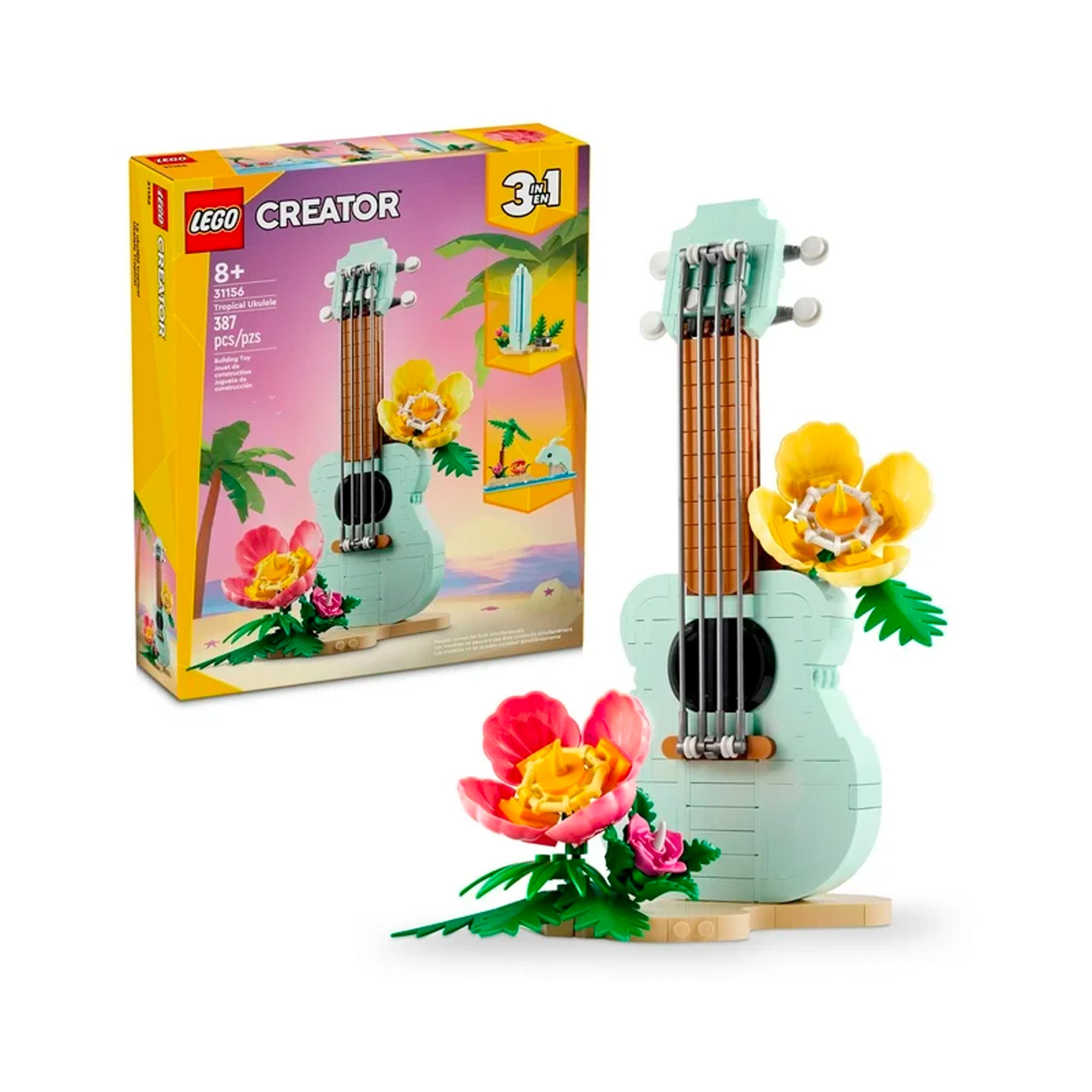
LEGO Creator 3 in 1 Tropical Ukulele Instrument Toy, Transforms from Ukulele to Surfboard Toy to Dolphin Toy
Original price was: $59.80.$50.69Current price is: $50.69.
Barbie The Movie Collectible Doll, Margot Robbie as Barbie in Pink Gingham Dress
Original price was: $16.90.$9.63Current price is: $9.63.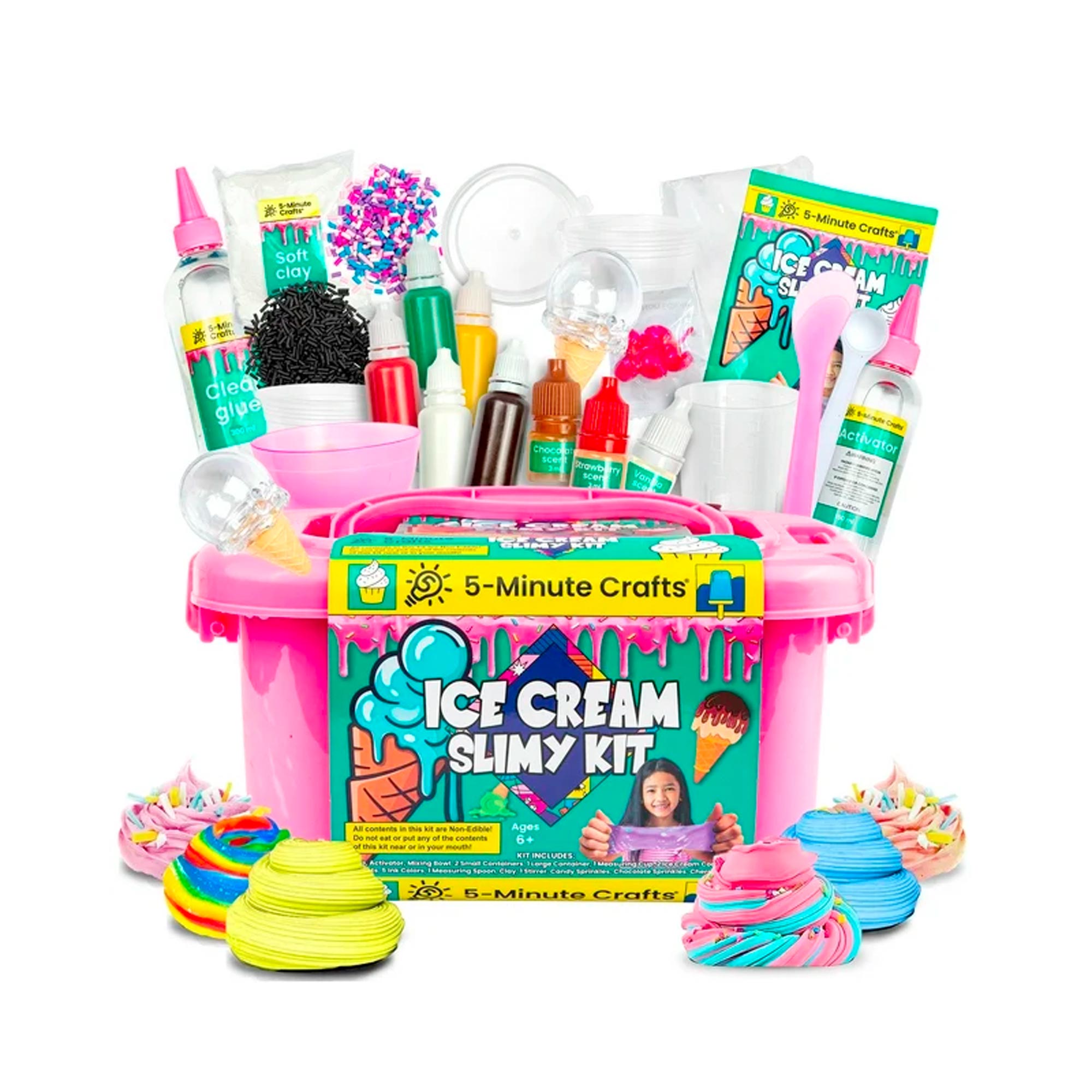
5-Minute Crafts – Slime Ice Cream Kit for Kids Ages 6+ As Seen on Social Media
Original price was: $83.53.$69.19Current price is: $69.19.
Xbox Series X Video Game Console, Black
Original price was: $419.89.$380.89Current price is: $380.89.
Organic & USDA-Certified Cambodian Spices: Sourcing Verified Producers
Quick Guide: Source Organic Spices in 5 Steps
- Verify USDA organic certification: Request certificate from supplier. Check USDA Organic Integrity Database (organic.ams.usda.gov) for verification.
- Confirm EU organic certification: If exporting to Europe, verify EU Organic certification separately. US and EU standards differ slightly.
- Test for pesticide residues: Many importers require independent lab testing ($200-500 per batch). Confirms supplier’s claims.
- Request supply chain documentation: Organic requires documented pesticide-free handling from farm to export. Ask for traceability records.
- Compare organic pricing: Expect 30-50% premium over conventional. Quality justifies premium; many organic spices have superior flavor.
Introduction
Organic spices from Cambodia have grown significantly as exporters pursue USDA and EU certification. Organic spices command 30-50% price premiums due to certification costs and lower yields from pesticide-free farming. These premiums are justified by chemical-free production and often superior flavor profiles. Understanding certifications and verified producers helps organic-focused brands source authentic certified products with confidence.
Organic Certification Standards
- USDA Organic: US standard. Requires farms avoid synthetic pesticides, fertilizers, GMOs for 3 years before certification. Yearly inspections. Spices grown in Cambodia can be USDA certified if farm/processor certified. Most comprehensive verification globally.
- EU Organic: European standard. Slightly stricter than USDA on certain chemicals. Required for Europe sales. Some Cambodian farms hold both USDA and EU certifications.
- IFOAM: International Federation of Organic Agriculture Movements. Accredits certification bodies. Not a certification itself; verifies certifiers are legitimate.
- Cost of certification: Farm inspection and certification: $1,500-3,000/year. Testing and documentation: $500-1,000/year. Processor certification separate: $1,000-2,000/year. Total ~3% added to product cost (justified by premium pricing).
Cambodian Organic Spice Producers
- Kampot region: Several pepper farms pursuing USDA and EU organic certification. Black pepper most common. Organic Kampot pepper ($4-6/kg wholesale) commands premium globally.
- Spice processing facilities: Licensed processors in Phnom Penh and Kampot clean, dry, sort organic spices while maintaining certification. Separation from non-organic spices critical.
- Cooperative model: Some organic spice cooperatives collectively farm 50-200 hectares. Cooperatives easier to certify than individual farms. More consistent supply.
- Typical certification timeline: New farm takes 3-4 years from organic practice start to full USDA certification. Transition period (years 1-3) product can’t be labeled organic but farms follow organic methods.
Organic Spice Quality & Flavor
- Flavor advantages: Organic spices often more flavorful than conventional due to: healthier soils (richer mineral content), stress-induced essential oil production, and no synthetic residue masking natural notes.
- Kampot black pepper organic: Distinguished by intense aroma and peppery bite. Scores 95+ at specialty spice retailers. Price: $5-7/kg wholesale (vs. $3-4 conventional).
- Organic garlic (dried): More pungent, cleaner taste than conventional. Popular in organic food manufacturing.
- Organic cinnamon: Rich, warm flavor. Higher essential oil content than conventional. Good for premium baking/confectionery.
- Testing:** Reputable suppliers provide lab tests showing: pesticide residues (zero), microbial counts, moisture content, and aroma/flavor compounds.
Verification & Documentation
- USDA Organic Integrity Database: Search free online (organic.ams.usda.gov). Lists all certified organic farms and processors globally. If producer/processor not listed = NOT USDA certified. Cross-check supplier claims instantly.
- Certificate inspection: Legitimate certificates show: Farm/processor name, certification body name, valid dates, scope of certification (what products certified), and certificate number. Scam certificates are vague or missing details.
- Certification body credibility: Only accept certificates from USDA-accredited certifiers (check USDA website). Avoid unknown certifiers.
- Lab testing: Request independent pesticide testing (AOAC methods). Cost $200-500 per batch. Gives absolute confidence. Many large retailers require this.
- Traceability documentation: Organic requires documented chain from farm → processor → exporter → buyer. Request this documentation. Shows legitimacy.
Sourcing Authentic Organic Spices
- Direct farm contact: Email verified cooperative or farm from USDA database. Ask about availability, pricing, certification scope, and minimum order.
- Processing verification: Organic spices must be processed in certified facilities. Ask which processor handles their spices. Verify processor certification.
- Sample quality assessment: Request sample ($30-50 for 250g). Evaluate: aroma intensity, color (should be vibrant, not faded), moisture (should be dry), and absence of debris.
- Pricing negotiation: Organic spices cost $3.50-7.00/kg wholesale depending on spice type and grade. Know competitive prices before negotiating.
- Bulk purchasing advantages: Farms prefer consistent large orders. 5,000kg+ orders get 10-15% discounts vs. smaller orders.
Common Mistakes to Avoid
- Trusting certifications without database verification: Always cross-check USDA Organic Integrity Database. Fake certificates exist.
- Confusing “organic farming” with “organic certified”: Farms may practice organic methods but lack certification. Only certified = legally sellable as “organic.”
- Ignoring storage requirements: Organic spices need clean, pesticide-free storage. Transportation containers must be organic-certified. Contamination during shipping = product loses organic status.
- Overlooking EU certification for European buyers: USDA certification not accepted in EU. Need separate EU Organic certification. Plan ahead if serving both markets.
- Assuming organic = premium quality: Organic certification ≠ high grade. Some organic spices are conventional quality at organic prices. Always taste samples.
Conclusion
Organic Cambodian spices offer authenticated chemical-free production, often with superior flavor vs. conventional. Verify all certifications in USDA Organic Integrity Database and request lab testing. Sourcing direct from certified farms/cooperatives reduces middleman costs and ensures authenticity. Expect 30-50% premiums justified by certification, quality, and market demand.
About CambodiaB2B: CambodiaB2B.com verifies organic certifications for listed suppliers. Filter by “Organic Certified” to find USDA/EU verified producers.
Ready to source reliable wholesale products from Cambodia?
Create your FREE buyer account on CambodiaB2B.com today to connect with verified suppliers, submit RFQs, compare quotations, and grow your business with confidence.