Secure Factory-Direct Sourcing. Connect with strictly vetted Cambodian manufacturers.
View Suppliers

Ejejs
Original price was: $8.00.$3.00Current price is: $3.00.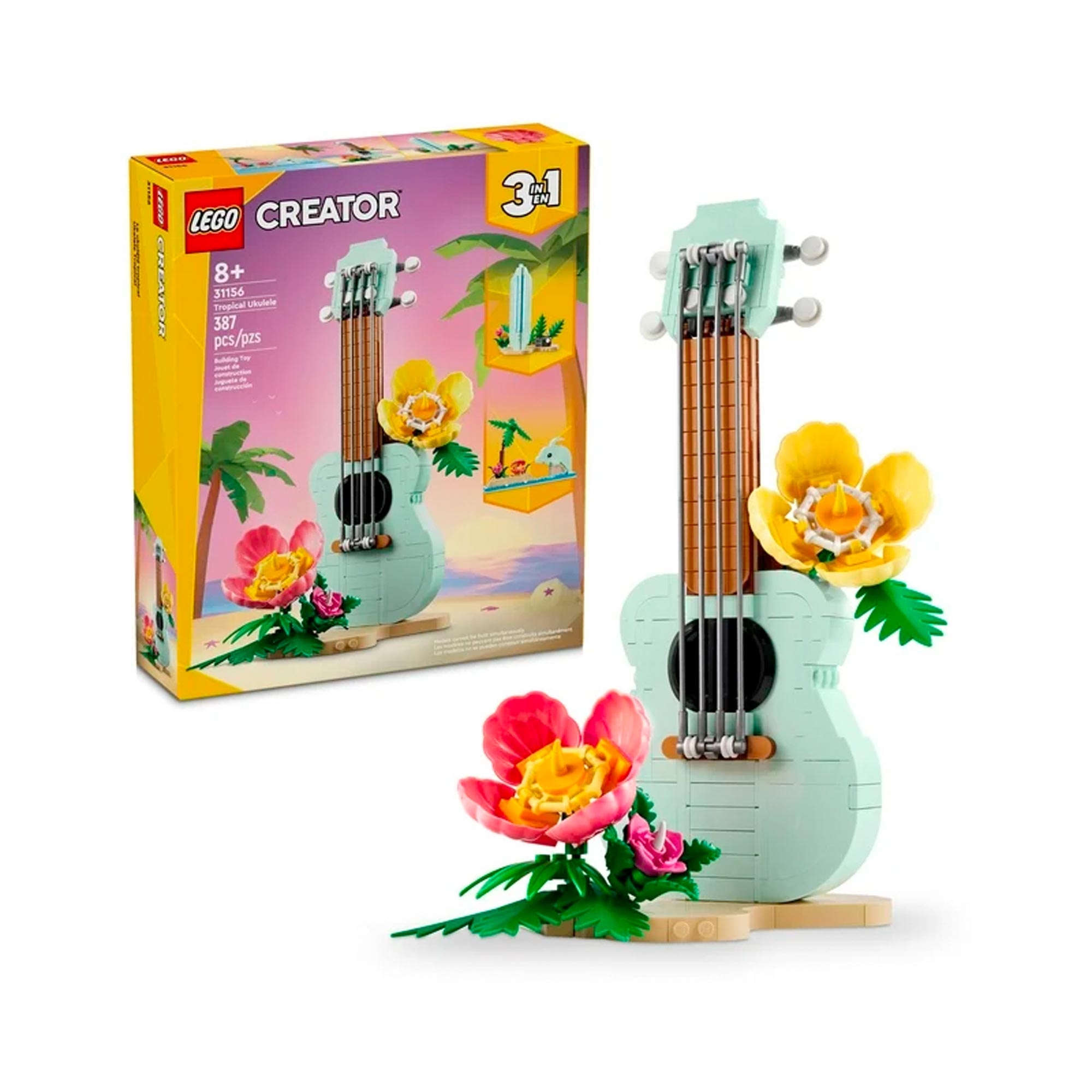
LEGO Creator 3 in 1 Tropical Ukulele Instrument Toy, Transforms from Ukulele to Surfboard Toy to Dolphin Toy
Original price was: $59.80.$50.69Current price is: $50.69.
Barbie The Movie Collectible Doll, Margot Robbie as Barbie in Pink Gingham Dress
Original price was: $16.90.$9.63Current price is: $9.63.
5-Minute Crafts – Slime Ice Cream Kit for Kids Ages 6+ As Seen on Social Media
Original price was: $83.53.$69.19Current price is: $69.19.
Xbox Series X Video Game Console, Black
Original price was: $419.89.$380.89Current price is: $380.89.
Cambodian Pepper Pricing: Grade A vs. Grade B, Bulk Discounts & Market Rates
Quick Guide: Understand Pepper Pricing in 5 Steps
- Know the grades: Grade A (premium): larger berries, fewer defects, higher piperine content. Grade B (standard): acceptable defects, smaller berries, still good quality.
- Check current market rates: Black pepper typically $3-6/kg wholesale depending on grade and season. Kampot premium adds 20-40% over standard grades.
- Evaluate cost per unit: If buying 1,000kg at $4/kg = $4,000. Know your target margin before negotiating.
- Negotiate volume tiers: 500kg, 1,000kg, 2,000kg, 5,000kg orders each have different pricing. Larger orders = lower unit cost.
- Factor seasonal pricing: Harvest season (Sept-Dec) lowest prices. Off-season (June-Aug) 20-30% premium. Plan sourcing accordingly.
Introduction
Kampot pepper, Cambodia’s most famous spice, commands global recognition and premium pricing. Wholesale prices range $3-6/kg for standard grades, $6-10/kg for premium Grade A. Pricing varies by piperine content (pungency), berry size, and harvest season. Understanding Kampot pepper grading and pricing helps importers evaluate quality and negotiate effectively with exporters.
Pepper Grading System Explained
- Grade A (Premium): Largest berries (5-6mm diameter), uniform black color, zero broken berries, high piperine content (8-10%). Bold aroma and sharp bite. Used by premium spice retailers, fine dining kitchens, and gourmet brands. Price: $6-10/kg. Market share: ~20% of Kampot exports.
- Grade B (Standard): Medium berries (4-5mm), mostly intact, minor color variation allowed, good piperine content (6-8%). Quality cup profiles excellent. Used by food manufacturers, bulk buyers, spice blenders. Price: $3-5/kg. Market share: ~60% of exports.
- Grade C (Industrial): Smaller berries, minor defects, crushed berries acceptable, lower piperine (5-6%). Suitable for spice grinding, extraction, food ingredient. Price: $2-3/kg. Market share: ~15-20% of exports.
- Grading factor impact: Each grade ~20-30% cheaper than above. Grade A 2-3x cost of Grade C, but used in premium products (can charge 3-5x markup). Choose grade based on end market.
Kampot Pepper Premium Pricing
- What is Kampot pepper: Grown in Kampot Province, elevation 100-500m. Volcanic soil, tropical climate ideal for piperine development. UNESCO heritage product with controlled origin designation (only Kampot province can label “Kampot Pepper”).
- Kampot price premium: Standard Grade B: $3.50-5.00/kg. Kampot-labeled Grade B: $5.00-7.00/kg (+40-50% premium). Premium for brand/origin, not significantly different flavor vs. nearby regions.
- Kampot Grade A premium: $7.00-10.00/kg (vs. standard $5-6/kg). Used for ultra-premium market positioning. Fine dining, specialty spice shops, luxury food brands.
- Marketing value: “Kampot pepper” label sells. Importers can retail Kampot Grade B at $12-15/kg vs. standard black pepper $6-8/kg. Premium justified by origin story + quality reputation.
Wholesale Pricing by Volume & Season
- 500kg order (smallest viable commercial buy): Grade B: $5.50/kg. Grade A: $9.00/kg. Premium for small volume; exporters avoid small shipments.
- 1,000kg order (standard minimum): Grade B: $4.50/kg. Grade A: $7.50/kg. Baseline pricing. Most exporters quote this volume.
- 2,000-5,000kg order: Grade B: $4.00-4.25/kg (5-10% discount). Grade A: $6.50-7.00/kg. Sweet spot for importers. Discounts available; exporters want repeat business.
- 10,000kg+ (full container): Grade B: $3.50-3.75/kg (15-20% discount). Grade A: $5.50-6.00/kg. Maximum discount. Exporters offer best rates for container volumes.
- Seasonal pricing (Oct-Dec harvest): Prices bottom out. Grade B: $3.00-3.50/kg. Grade A: $5.00-6.00/kg. Best sourcing window. Post-harvest (Jan-March) prices rise 10-15%. Off-season (June-Sept) prices rise 25-35%.
Global Pepper Market Context
- Global black pepper baseline: Vietnam/Indonesia standard grade traded at $3-4/kg. Cambodia competes on quality premium. High-quality Vietnamese can match Kampot quality at lower price if source/origin story doesn’t matter to buyer.
- Piperine content = pricing leverage: High piperine (8-10%) = sharper bite, more peppery flavor. Importers in pharmaceutical/extract industry pay premium for high-piperine pepper. Culinary market less sensitive to piperine.
- Currency & shipping impact: Riel depreciation = cheaper Cambodian pepper to USD buyers (1-2% per % depreciation). Strong riel = more expensive. Shipping cost impacts total landed cost; freight adds $0.50-1.00/kg depending on destination.
Quality Evaluation: What to Check
- Visual inspection: Uniform black color (no brown/red berries), large berries (Grade A ≥5mm), minimal powder/dust, zero moisture.
- Aroma test: Fresh, sharp peppery aroma. Musty/moldy smell indicates poor storage. Fresh Kampot pepper has distinctive fragrance vs. stale pepper.
- Taste test: Bite should be immediate and sustained. High-piperine pepper burns throat mildly. Grade A noticeably sharper than Grade B.
- Lab testing (optional): Piperine content analysis ($150-200). Moisture content, debris analysis, bacterial load (for food-safety conscious buyers). Exporters sometimes provide; always available from independent labs.
Negotiation Strategy & Payment Terms
- Get multiple quotes: Contact 3-4 exporters same grade/volume. Prices vary $0.50-1.50/kg between suppliers. Competition exists; don’t accept first quote.
- Negotiate on delivered cost, not just pepper price: Factor freight, port fees, documentation. Total landed cost matters, not just price/kg.
- Request samples ($20-30): Many exporters email 100-250g samples for evaluation. Taste before committing. Quality variance significant even within same grade.
- Payment terms negotiation: Standard: 50% deposit, 50% before shipment. Repeat orders may get net-15. Annual contracts can negotiate net-30 payment.
- Long-term discounts: Commit to annual 3,000-5,000kg purchase = additional 5-10% discount beyond volume pricing. Exporters reward loyalty.
Total Cost of Goods Example
Importing 2,000kg Kampot Grade B pepper to USA:
- Pepper cost: 2,000kg × $4.25/kg = $8,500
- Export documentation: $250
- Port handling (Cambodia): $150
- Freight to LA (20ft container, partial): $1,200
- US port handling: $300
- Total landed cost: $10,400 for 2,000kg = $5.20/kg
- At $10-12/kg retail wholesale = $4.80-6.80/kg margin (before retail overhead)
Common Mistakes to Avoid
- Buying lowest price without tasting: Cheap pepper often lower quality (Grade C masquerading as B). Always sample first.
- Confusing Kampot origin with Kampot quality: Some Kampot pepper is average quality. Reputable exporters invest in good farming. Price difference = quality difference.
- Not negotiating on volume: 2,000kg+ orders should get discounts. If exporter won’t budge, try different supplier.
- Ordering off-season without reason: June-Sept prices 25-35% higher than Oct-Dec. Unless urgent, wait for harvest season.
- Forgetting storage conditions: Pepper absorbs moisture easily. Poor storage = quality degradation. Warehouse conditions matter; store in dry, cool place.
Conclusion
Kampot pepper wholesale pricing: Grade B $3-6/kg, Grade A $6-10/kg, depending on volume and season. Harvest season (Oct-Dec) offers best pricing. Kampot origin label justifies 30-50% premium over standard black pepper. Evaluate quality through samples before bulk commitment. Negotiate on total landed cost, not just price/kg. Annual sourcing relationships unlock 5-10% discounts.
About CambodiaB2B: CambodiaB2B.com connects spice importers with verified Kampot pepper exporters. Compare quality and pricing from multiple suppliers on one platform.
Ready to source reliable wholesale products from Cambodia?
Create your FREE buyer account on CambodiaB2B.com today to connect with verified suppliers, submit RFQs, compare quotations, and grow your business with confidence.