Secure Factory-Direct Sourcing. Connect with strictly vetted Cambodian manufacturers.
View Suppliers

Ejejs
Original price was: $8.00.$3.00Current price is: $3.00.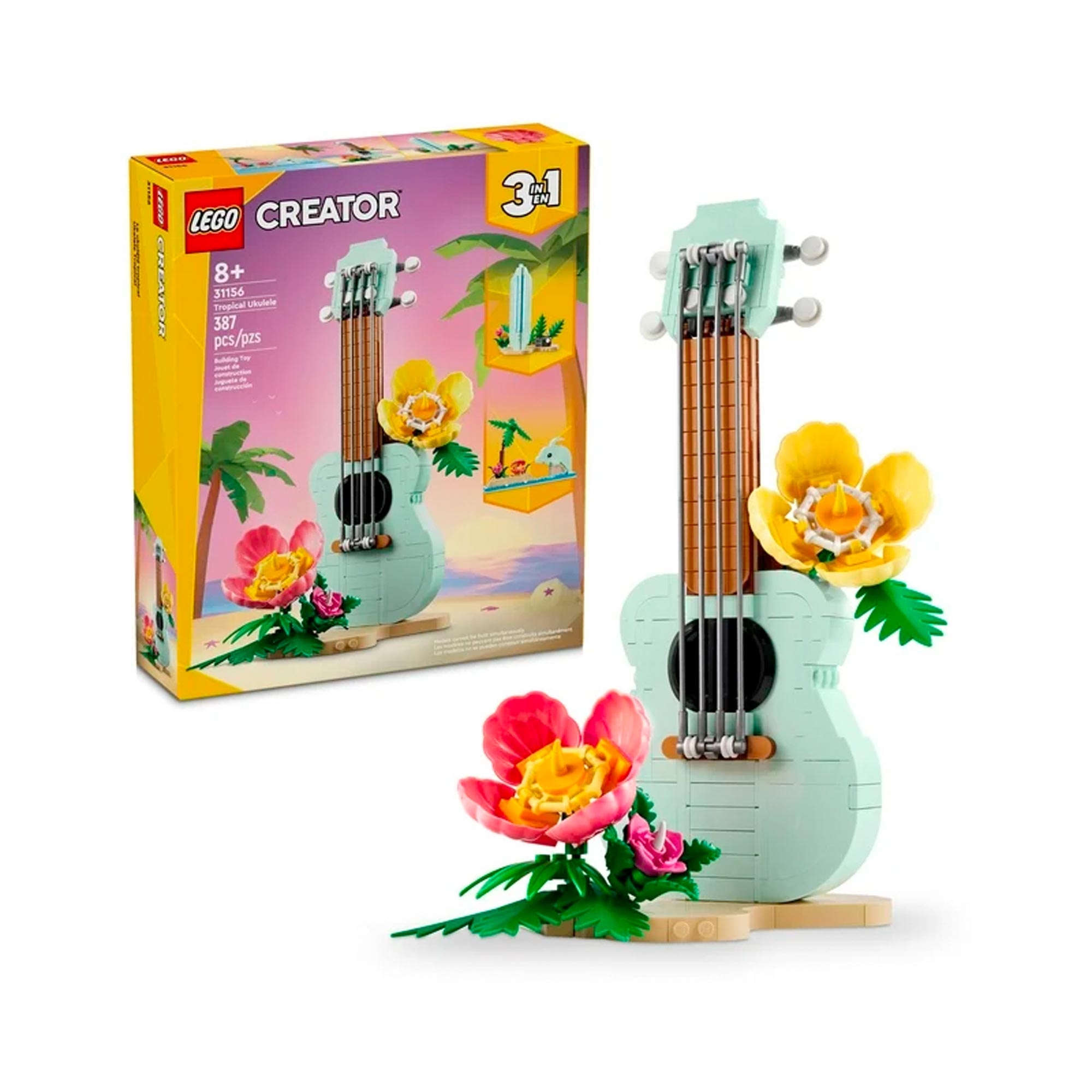
LEGO Creator 3 in 1 Tropical Ukulele Instrument Toy, Transforms from Ukulele to Surfboard Toy to Dolphin Toy
Original price was: $59.80.$50.69Current price is: $50.69.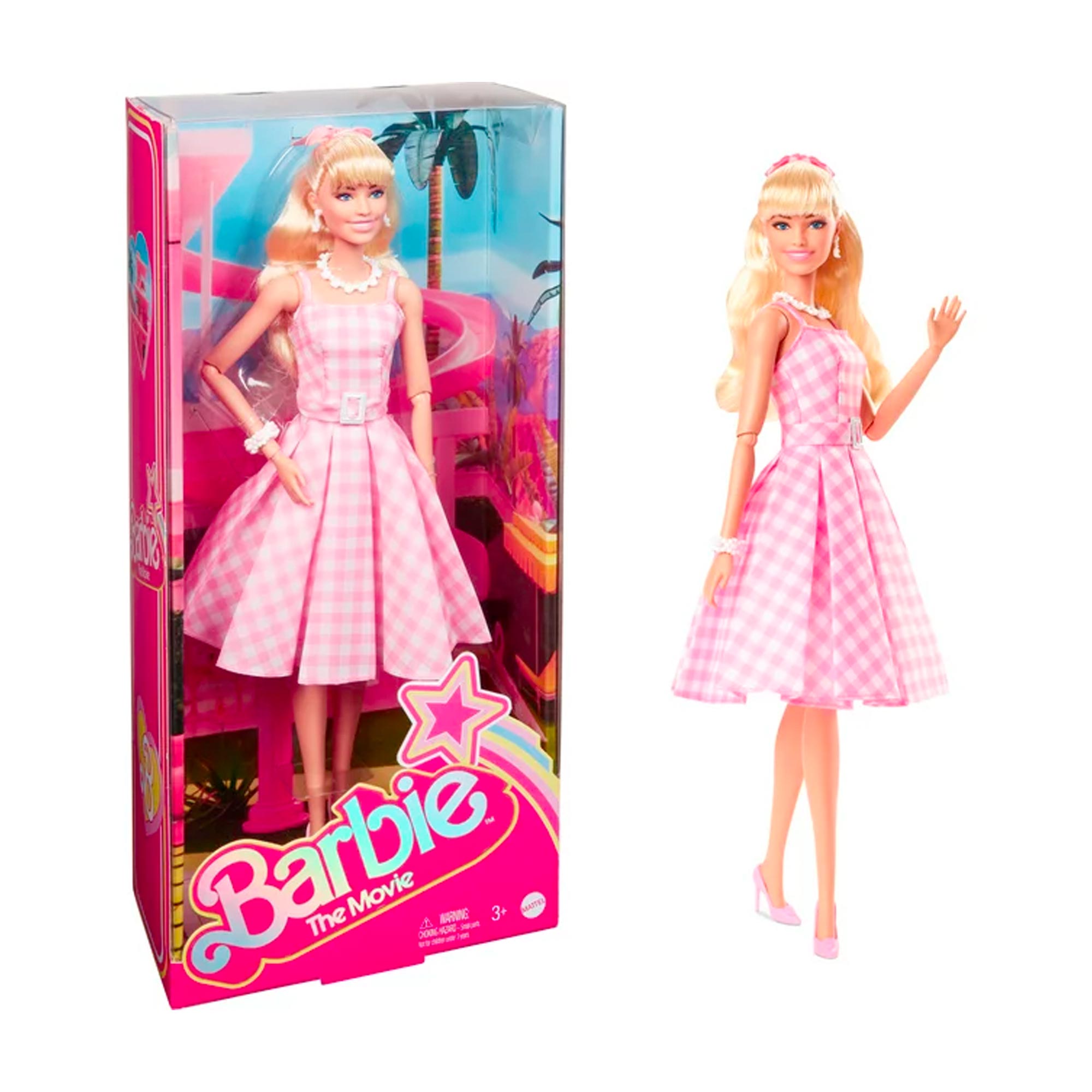
Barbie The Movie Collectible Doll, Margot Robbie as Barbie in Pink Gingham Dress
Original price was: $16.90.$9.63Current price is: $9.63.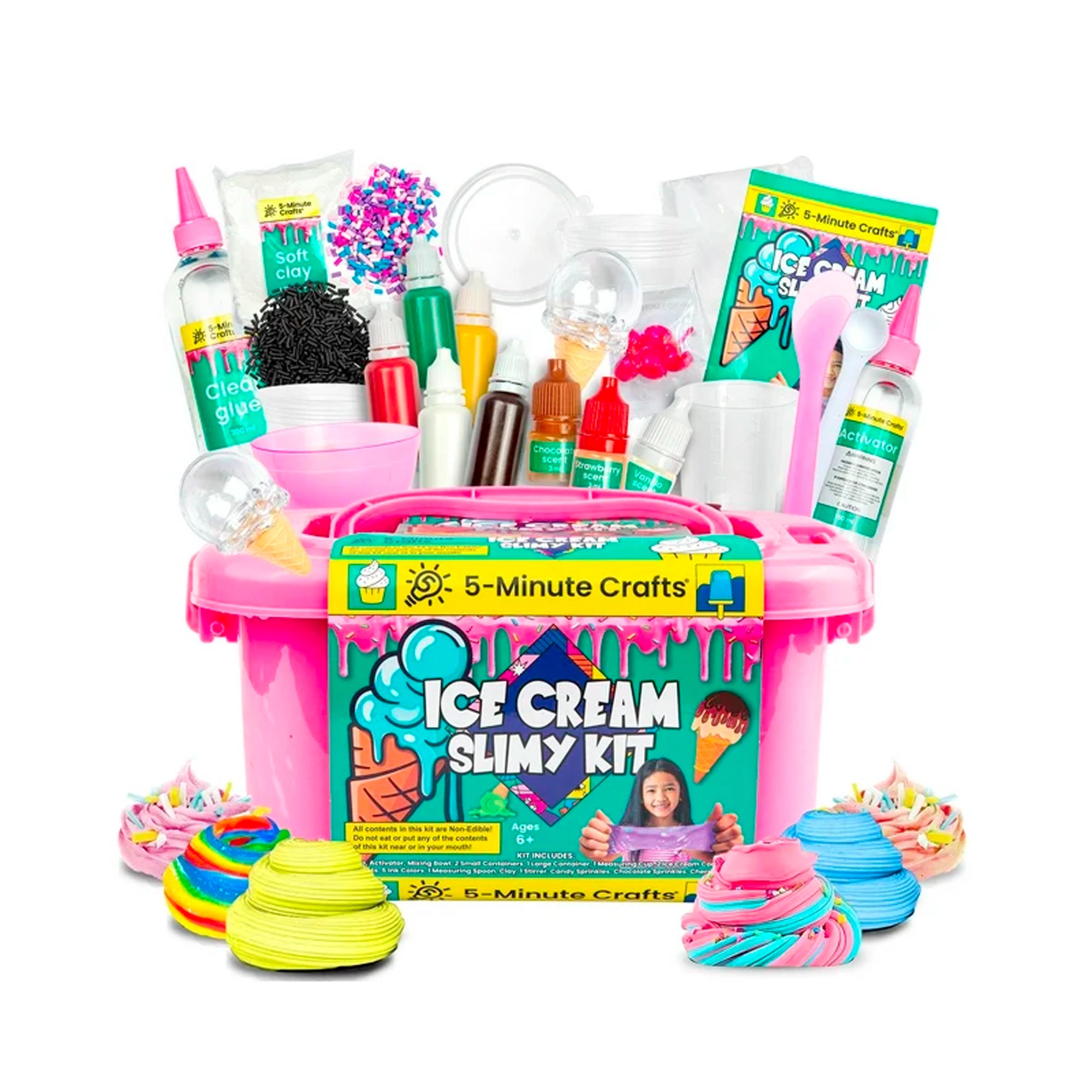
5-Minute Crafts – Slime Ice Cream Kit for Kids Ages 6+ As Seen on Social Media
Original price was: $83.53.$69.19Current price is: $69.19.
Xbox Series X Video Game Console, Black
Original price was: $419.89.$380.89Current price is: $380.89.
Cambodian Honey & Sweet Products: Wholesale Guide for International Buyers
Quick Guide: 5 Steps to Sourcing Cambodian Honey
- Identify honey type: raw, pasteurized, or specialty blends
- Research honey sources: forest honey, apiary honey, floral origins
- Request lab testing for purity, moisture, and absence of antibiotics
- Confirm packaging options: bulk drums or consumer-ready bottles
- Verify certifications and establish wholesale pricing
Introduction
Cambodia’s diverse ecosystems support diverse honey production, from forest honey harvesting to commercial apiary operations producing premium varietals. For food distributors, confectioners, and health food retailers importing honey wholesale, Cambodia offers suppliers with natural production methods and increasingly rigorous quality standards. Moreover, Cambodian honey has gained recognition in specialty and organic markets for purity and distinctive flavor profiles.
Why Buy Cambodian Honey?
Cambodian honey suppliers appeal to diverse buyers:
- Natural honey production from diverse floral sources in pristine ecosystems
- Traditional harvesting methods supporting sustainable beekeeping and forest conservation
- Organic and raw honey options meeting premium market preferences
- Competitive wholesale pricing enabling margin flexibility for retailers
- Established export infrastructure with modern bottling and bulk packaging facilities
What Buyers Should Consider
- Honey type and origin: Forest honey and floral honey differ in flavor, color, and crystallization patterns. To clarify, origin directly influences flavor profile and market positioning.
- Purity and authenticity testing: Lab testing (glucose-to-fructose ratio, HMF content, pollen analysis) confirms honey authenticity. Furthermore, request CoA for pesticide and antibiotic residues.
- Moisture content and shelf stability: Proper moisture (<18%) prevents fermentation. Additionally, verify storage conditions and shelf life guarantees.
- Minimum order quantity: Most honey exporters require 5–20 metric tons. Additionally, smaller specialty orders (1–3 tons) may command premium pricing.
- Certification options: Organic, fair trade, and raw certifications add brand value—confirm third-party verification.
Common Mistakes to Avoid
- Purchasing honey without purity testing—adulteration risks are significant in commodity markets
- A common mistake: assuming all “natural” honey meets the same standards
- Often overlooked: confirming that storage prevents unwanted crystallization
- One critical error: not verifying antibiotic-free status required in some markets
- Neglecting to establish quality guarantees for taste and color consistency
Conclusion
In conclusion, sourcing Cambodian honey wholesale requires lab verification and supplier credibility assessment. Ultimately, connecting with certified honey producers on CambodiaB2B ensures product authenticity and supply reliability.
CambodiaB2B.com is Cambodia’s leading B2B wholesale marketplace, connecting international buyers with verified suppliers across agriculture, apparel, furniture, and specialty goods.
Ready to source reliable wholesale products from Cambodia?
Create your FREE buyer account on CambodiaB2B.com today to connect with verified suppliers, submit RFQs, compare quotations, and grow your business with confidence.