Secure Factory-Direct Sourcing. Connect with strictly vetted Cambodian manufacturers.
View Suppliers

Ejejs
Original price was: $8.00.$3.00Current price is: $3.00.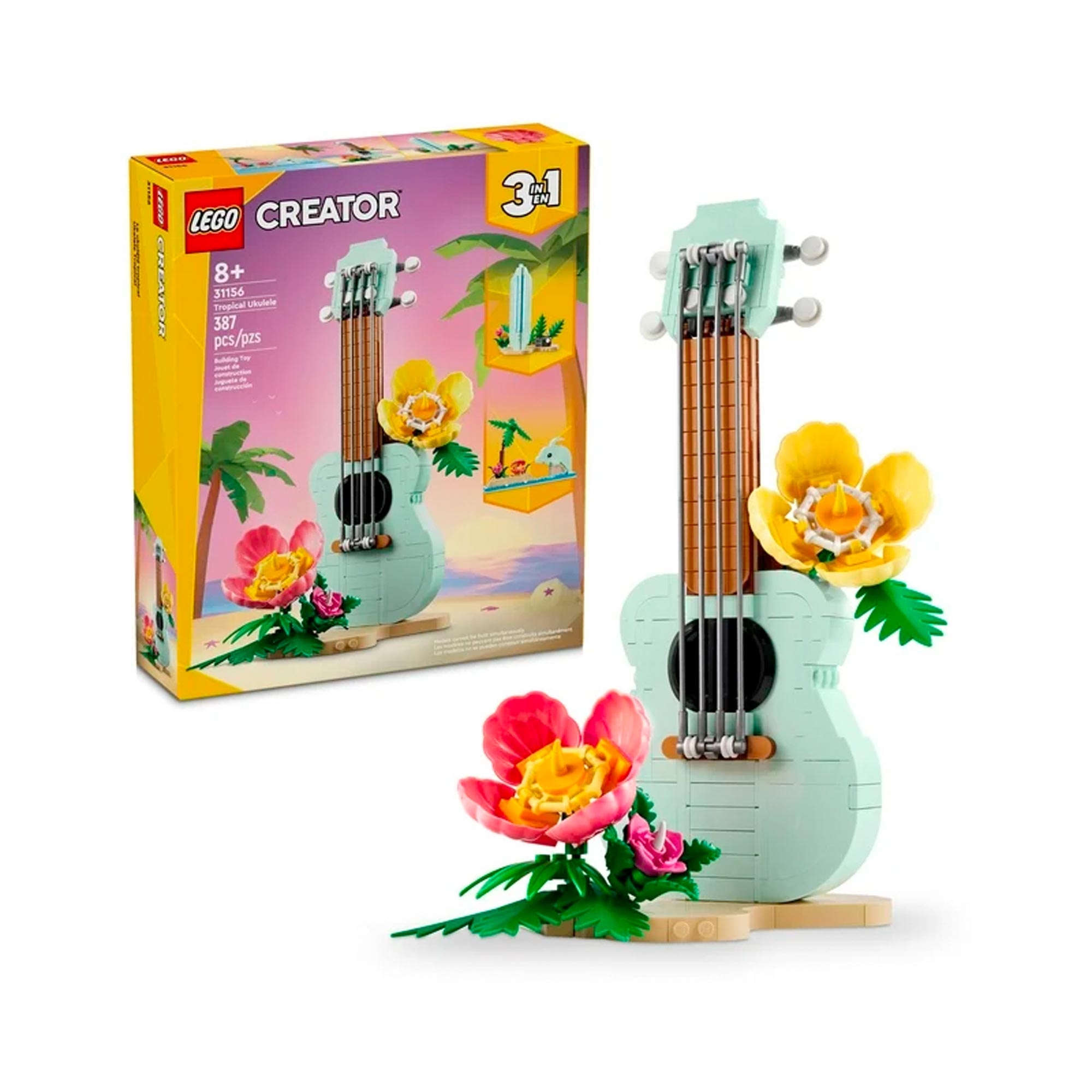
LEGO Creator 3 in 1 Tropical Ukulele Instrument Toy, Transforms from Ukulele to Surfboard Toy to Dolphin Toy
Original price was: $59.80.$50.69Current price is: $50.69.
Barbie The Movie Collectible Doll, Margot Robbie as Barbie in Pink Gingham Dress
Original price was: $16.90.$9.63Current price is: $9.63.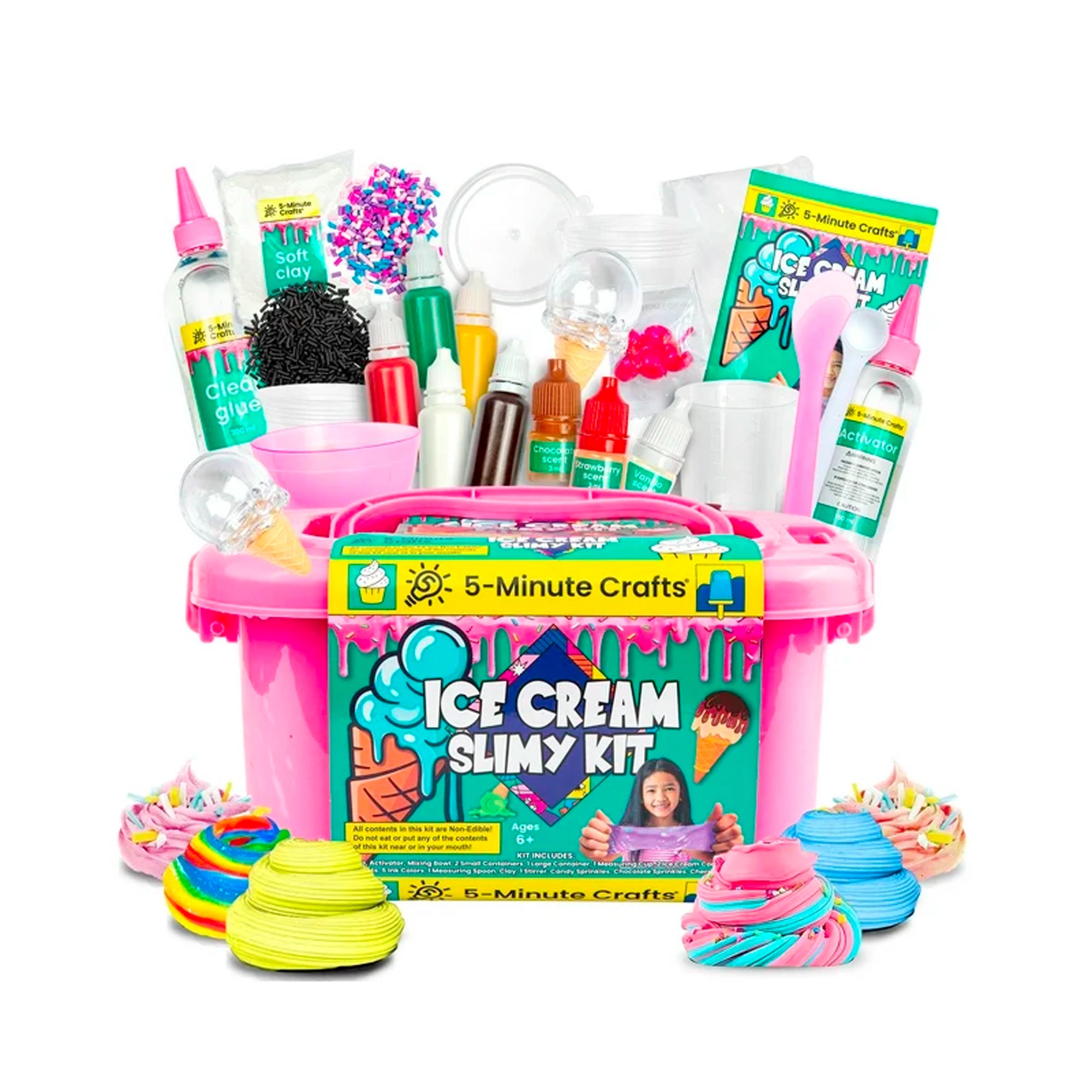
5-Minute Crafts – Slime Ice Cream Kit for Kids Ages 6+ As Seen on Social Media
Original price was: $83.53.$69.19Current price is: $69.19.
Xbox Series X Video Game Console, Black
Original price was: $419.89.$380.89Current price is: $380.89.
Buy Cambodian Rice Wholesale: Complete Sourcing Guide 2026
5 Steps to Buying Rice from Cambodia
- Identify your rice variety (fragrant, white, organic) and import volume
- Search verified rice exporters and wholesalers on CambodiaB2B
- Request product samples, certifications, and grading specifications
- Arrange pre-shipment laboratory testing to verify quality standards
- Finalize MOQ, packaging, shipping, and payment terms
Introduction
Cambodia is internationally recognized for its premium fragrant rice varieties, particularly Phka Rumduol and other jasmine-style rices. Indeed, for wholesale rice buyers, Cambodia offers a compelling combination of aroma, taste, grain quality, and quality-focused milling that appeals to premium retailers and food service operators. The country’s rice exports have earned recognition at global competitions, positioning Cambodian rice as a premium sourcing option for international importers.
Why Buy Rice Wholesale from Cambodia?
Rice remains one of Cambodia’s flagship agricultural exports. Additionally, buyers frequently source Cambodian rice for these advantages:
- Distinctive aroma and superior grain quality compared to lower-grade varieties
- Range of varieties including fragrant, white, parboiled, brown, and organic-certified options
- Established milling and export infrastructure with modern processing facilities
- Suitability for premium retail channels, foodservice, and specialty markets
- Growing availability of sustainably farmed, traceable, and certified-organic rice
What Buyers Should Know Before Importing Cambodian Rice
- Rice variety and grade specifications: To clarify your sourcing needs, specify the exact rice variety (e.g., Phka Rumduol, Jasmine) and grade—blends or substitutions significantly affect end-product quality and market positioning.
- Moisture content and purity standards: Additionally, confirm specifications for broken grain percentage (typically <15% for premium grades), foreign matter tolerance, and moisture content (optimal: 12–14%).
- Packaging options and retail readiness: Moreover, discuss options ranging from bulk jute bags (25–50 kg) to retail-ready pouches with custom labeling and branding.
- Food safety certifications and compliance: Furthermore, ask about food safety certifications (FSSC 22000, HACCP, BRC), organic certifications (USDA Organic, EU Organic), and destination-market import requirements.
- Harvest season timing and availability: Equally important, rice quality, supply availability, and pricing vary significantly by harvest season (main harvest: October–January).
- Third-party quality testing and inspection: Just as critical, arrange pre-shipment laboratory testing to verify moisture, purity, and grain integrity before shipment departure.
Common Mistakes When Buying Rice from Cambodia
- Confusing rice varieties or accepting substitutions without written approval and quality testing
- A common error: skipping third-party laboratory inspection before shipment, risking quality disputes
- Ignoring destination-market import requirements, phytosanitary rules, and food safety regulations
- One critical oversight: failing to agree on clear quality tolerances and rejection criteria in the contract
- Often overlooked: underestimating the impact of container conditions and humidity during long ocean transit
FAQ: Sourcing Rice from Cambodia
Q: What is the typical MOQ for wholesale Cambodian rice exports?
A: MOQ typically ranges from 10–20 metric tons for bulk exports, though some exporters accept 5-ton minimums. Retail-packaged rice (pouches) has different MOQ—ask suppliers on CambodiaB2B.
Q: How long does it take to import rice from Cambodia?
A: Sampling and approval: 1–2 weeks. Production: 2–4 weeks. Ocean freight to major ports: 2–4 weeks. Total lead time: typically 5–8 weeks.
Q: What certifications prove Cambodian rice quality?
A: Look for organic certifications (USDA, EU), food safety certifications (FSSC 22000, BRC), and geographical indication (GI) status for specialty varieties like Kampot pepper. Third-party lab testing is also recommended.
Conclusion
In conclusion, buying Cambodian rice wholesale can be highly rewarding for importers targeting premium and specialty markets. To summarize, clear specifications, verified exporters, and pre-shipment quality testing are essential to a smooth sourcing experience. Finally, long-term relationships with reliable rice exporters deliver consistent quality and better pricing season after season, making them valuable strategic partners.
CambodiaB2B.com is Cambodia’s leading B2B wholesale marketplace, connecting international buyers with 5,000+ verified suppliers across apparel, agriculture, furniture, and specialty goods. Our platform streamlines sourcing with transparent reviews, instant RFQs, and direct factory communication.
Ready to source reliable wholesale products from Cambodia?
Create your FREE buyer account on CambodiaB2B.com today to connect with verified suppliers, submit RFQs, compare quotations, and grow your business with confidence.