Secure Factory-Direct Sourcing. Connect with strictly vetted Cambodian manufacturers.
View Suppliers

Ejejs
Original price was: $8.00.$3.00Current price is: $3.00.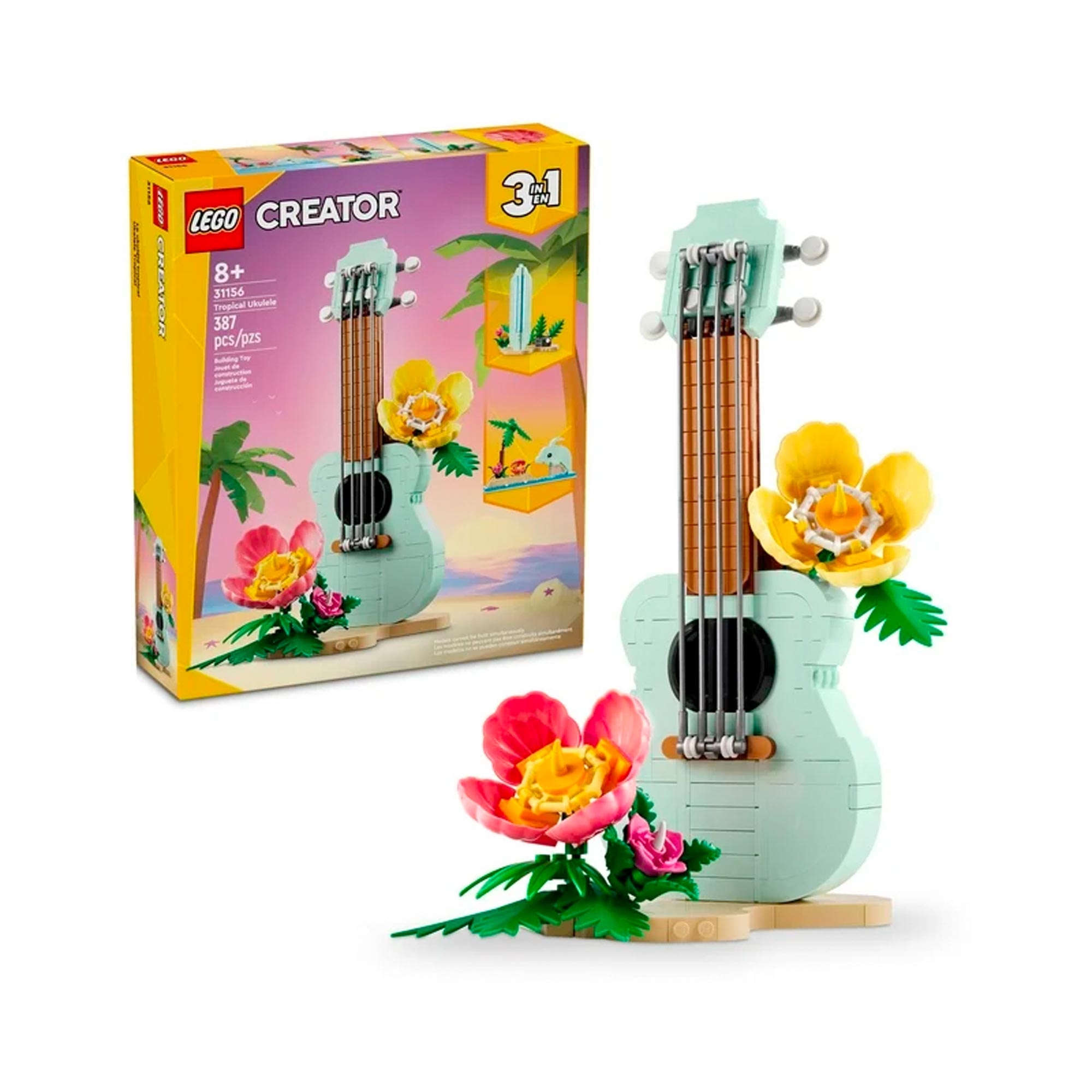
LEGO Creator 3 in 1 Tropical Ukulele Instrument Toy, Transforms from Ukulele to Surfboard Toy to Dolphin Toy
Original price was: $59.80.$50.69Current price is: $50.69.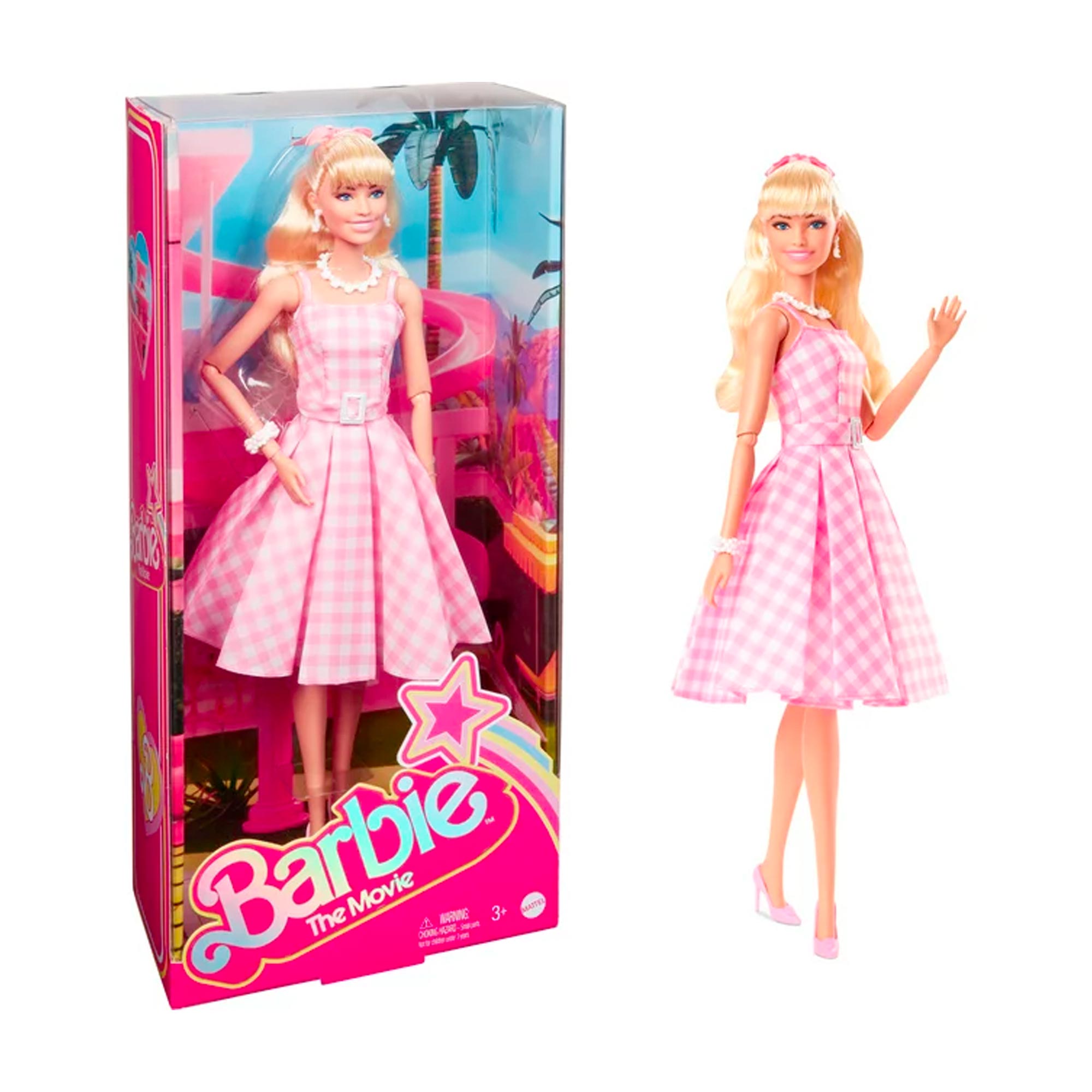
Barbie The Movie Collectible Doll, Margot Robbie as Barbie in Pink Gingham Dress
Original price was: $16.90.$9.63Current price is: $9.63.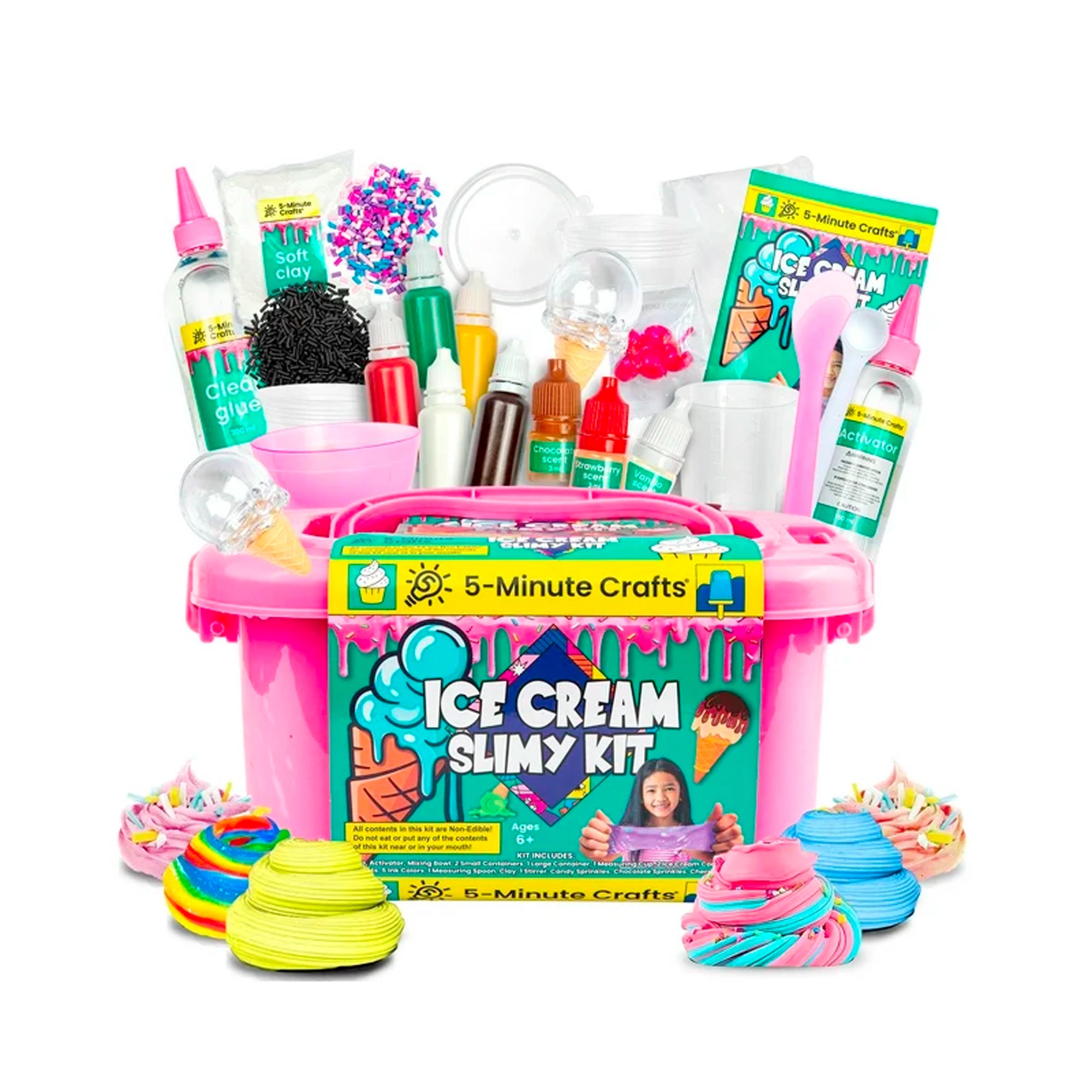
5-Minute Crafts – Slime Ice Cream Kit for Kids Ages 6+ As Seen on Social Media
Original price was: $83.53.$69.19Current price is: $69.19.
Xbox Series X Video Game Console, Black
Original price was: $419.89.$380.89Current price is: $380.89.
Cambodian Coffee Pricing Guide: Wholesale Rates, MOQ & Cost Per Kilo
Quick Guide: Calculate Coffee Costs in 5 Steps
- Identify your target grade: Commercial grade ($1.80-2.50/kg) vs. Specialty grade ($3.50-5.00/kg). Decide what market you’re serving.
- Check current market prices: Arabica prices fluctuate monthly based on global commodity markets. ICE Arabica futures show baseline; Cambodian premium adds 10-30%.
- Calculate per-unit cost: If buying 5,000kg at $2.50/kg = $12,500. Divide by roasted units (1kg green ≈ 0.82kg roasted) to understand cost per pound/kg roasted.
- Factor in MOQ requirements: Most Cambodian exporters require 1,000-5,000kg minimum. Smaller MOQs available but cost 15-20% premium.
- Negotiate volume discounts: Orders 5,000kg+ qualify for 5-10% discounts. Annual commitments (contract buys) get additional 5-15% off.
Introduction
Cambodian coffee wholesale prices depend on grade, origin region, and market conditions. Commercial arabica costs $1.80-2.50 per kilogram (green beans). Specialty arabica costs $3.50-5.50/kg. Prices fluctuate monthly with global arabica commodity markets (ICE Arabica futures). Mondulkiri province commands premium prices ($3.50-5.50) due to altitude and specialty reputation. Understanding wholesale pricing helps importers budget accurately and negotiate with multiple suppliers.
Coffee Grade & Price Breakdown
- Commercial Grade Arabica ($1.80-2.50/kg): Good quality, suitable for standard roasters and cafés. Typically Mondulkiri or Ratanakiri region. Screen size 15+, minor defects allowed. Flavor: balanced, clean cup, 80-82 cupping score. Most exported Cambodian coffee falls here.
- Specialty Grade Arabica ($3.50-5.50/kg): Premium cup quality, 85+ SCA cupping score. High elevation (1,200m+), careful processing, hand-selected. Mondulkiri sole specialty source. Lower yields, higher production cost. Roasters pay premium for consistency and flavor.
- Single-Origin Micro-lots ($5.00-8.00/kg): Ultra-specialty. Specific farm, harvest date, processing method documented. Extremely limited availability (100-500kg batches). Specialty roasters and boutique cafés only market. Requires relationship with producing cooperatives.
- Wet-Process vs. Natural-Process: Wet-processed dominates Cambodia (cleaner flavor, easier to export). Natural-processed rare but increasingly popular (fruity, complex). Natural-process Cambodian coffee commands 10-20% premium.
Wholesale Pricing by Season
- October-December (Harvest): Lowest prices. $1.80-2.00/kg commercial, $3.50-4.00/kg specialty. Bulk availability. Most exporters offer year-end pricing incentives. Best time to lock in annual contracts.
- January-March (Post-Harvest): Prices rise slightly. $2.00-2.30/kg commercial, $4.00-4.50/kg specialty. Supply abundant. Still favorable for large orders.
- April-June (Off-Season): Limited availability. Prices rise 15-20%. $2.20-2.80/kg commercial, $4.50-5.00/kg specialty. Exporters prioritize committed/repeat buyers.
- July-September (Pre-Harvest): Highest prices & tightest supply. $2.50+/kg commercial, $5.00+/kg specialty. Many exporters allocate inventory to existing customers. New buyers may face surcharges.
Minimum Order Quantities & Pricing
- 500kg minimum: Possible for specialty grades from cooperatives. Cost: 10-15% premium over standard 1,000kg MOQ. Boutique roasters use this tier.
- 1,000kg minimum: Standard for most commercial exporters. Pricing baseline for all quotes. Recommended minimum for consistent supply relationships.
- 2,000-5,000kg order: Qualifies for 5% volume discount. Exporters compete actively at this tier. Usually best value. Most roasters order in this range.
- 10,000kg+ (40ft container): Qualifies for 10-15% discount. Exporters offer best pricing for full-container buys. Requires storage capacity but maximizes margin.
- Annual contracts (3,000-12,000kg/year): Additional 5-15% discount beyond volume rates. Exporters prioritize contract buyers with guaranteed volume. Pricing locked for year; protects buyer from price spikes.
Price Comparison: Mondulkiri vs. Ratanakiri
- Mondulkiri (Premium): Elevation 1,000-1,500m, ideal for specialty arabica. Prices: $3.50-5.50/kg specialty. Brand recognition internationally. Cooperatives well-organized. Higher production cost but better quality/margins. Buyers pay premium for “Mondulkiri” label.
- Ratanakiri (Emerging): Elevation 800-1,200m, growing specialty region. Prices: $2.50-4.00/kg. Lower altitude = less complexity but still good quality. Emerging market positioning. Less developed infrastructure but growing export volume. 10-20% cheaper than Mondulkiri same grade.
- Strategy: Mondulkiri for specialty/premium roasters (higher margin, brand story). Ratanakiri for commercial/value roasters (competitive cost, good quality).
Global Price Context
- ICE Arabica Futures: Global arabica price baseline. Trades daily on commodities exchange. Long-term range: $1.20-2.20/kg (global commodity price). Cambodian exporters add $0.60-3.30/kg premium for specialty/cooperative sourcing.
- Currency fluctuation: Cambodian riel/USD exchange rate impacts pricing. 1-2% riel depreciation = 1-2% price reduction for USD-based buyers. Lock in prices with forward contracts if concerned.
- Market cycles: Global frost/drought (Brazil) raises arabica prices 10-30%. Cambodian prices rise with global market. Supply disruptions create premium opportunities for exporters.
Negotiation & Payment Terms
- Deposit structure: 30-50% deposit typical for first orders. 50% before shipment. This is standard; don’t expect better unless ordering 5,000kg+ or annual contract.
- Pricing negotiation room: 2,000-5,000kg orders: 3-5% discount possible. 10,000kg+ orders: 8-12% discount standard. Annual contracts: 5-15% reduction. Small orders (500-1,000kg): expect full retail pricing, no discount.
- Locking in prices: Spot pricing common (price confirmed at shipment). For budget certainty, negotiate fixed price contracts (adds 2-3% to cost). Hedging costs protects both buyer and exporter.
- Payment terms:: Prepayment common. Some exporters offer net-15 or net-30 after 2-3 successful shipments. Loyalty rewards longer payment terms.
Total Cost of Goods Calculation Example
Importing 2,000kg Mondulkiri specialty arabica to USA:
- Green bean cost: $2,000kg × $4.00/kg = $8,000
- Export documentation: $300
- Port handling (Cambodia): $200
- Freight to LA: $1,200
- US port handling: $300
- Roasting loss (18%): 2,000kg green → 1,640kg roasted
- Total cost: $9,500 for 1,640kg roasted = $5.79/kg roasted cost
- At $8-10/kg wholesale roasted price = $2.21-4.21/kg gross margin before roasting labor costs
Common Mistakes to Avoid
- Comparing green bean prices to roasted prices: Green beans always cheaper (1kg green ≈ 0.82kg roasted due to moisture loss). Don’t confuse the two cost structures.
- Forgetting quality variance: Cheapest coffee may taste poor. Taste multiple samples before committing. Specialty coffee margin depends on cup quality.
- Ignoring storage costs: Imported coffee takes 3-4 weeks transit. Factor in warehouse rent while waiting for sale. Carrying cost impacts margin.
- Underestimating seasonal price swings: Off-season prices 15-30% higher. If budget tight, don’t order June-Sept. December harvest season best pricing.
- Not negotiating on large orders: 5,000kg+ orders always qualify for discounts. If exporter won’t negotiate, try different supplier.
Conclusion
Cambodian coffee wholesale pricing ranges $1.80-5.50/kg depending on grade and season. Mondulkiri specialty commands premium. Minimum orders 1,000-2,000kg typical. Prices fluctuate monthly; lock in contracts for budget certainty. Sourcing during harvest (Oct-Dec) offers best value. Negotiate volume discounts at 2,000kg+ order levels.
About CambodiaB2B: CambodiaB2B.com connects roasters and coffee importers with Cambodian exporters. Compare prices from multiple suppliers before committing to volume.
Ready to source reliable wholesale products from Cambodia?
Create your FREE buyer account on CambodiaB2B.com today to connect with verified suppliers, submit RFQs, compare quotations, and grow your business with confidence.