Secure Factory-Direct Sourcing. Connect with strictly vetted Cambodian manufacturers.
View Suppliers

Ejejs
Original price was: $8.00.$3.00Current price is: $3.00.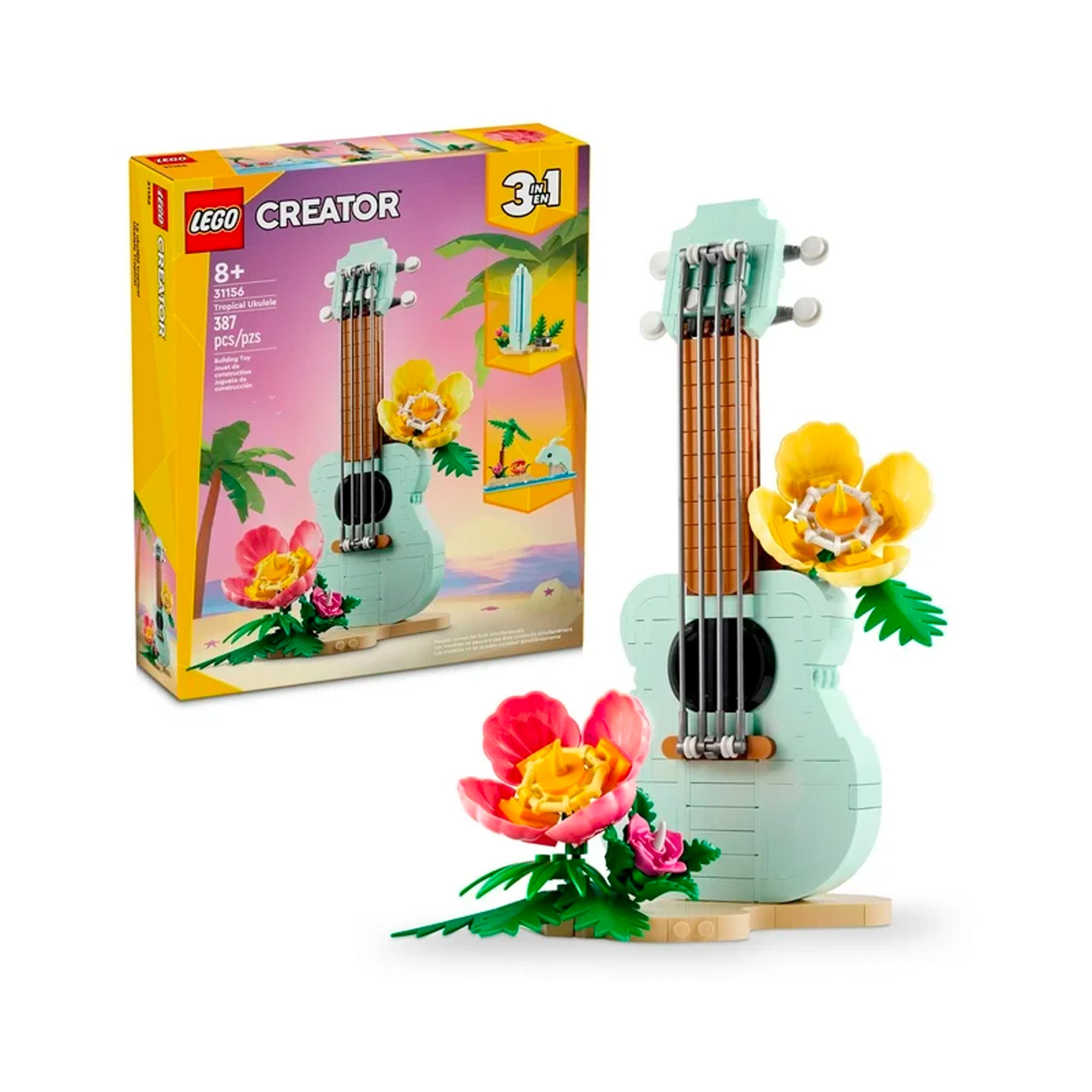
LEGO Creator 3 in 1 Tropical Ukulele Instrument Toy, Transforms from Ukulele to Surfboard Toy to Dolphin Toy
Original price was: $59.80.$50.69Current price is: $50.69.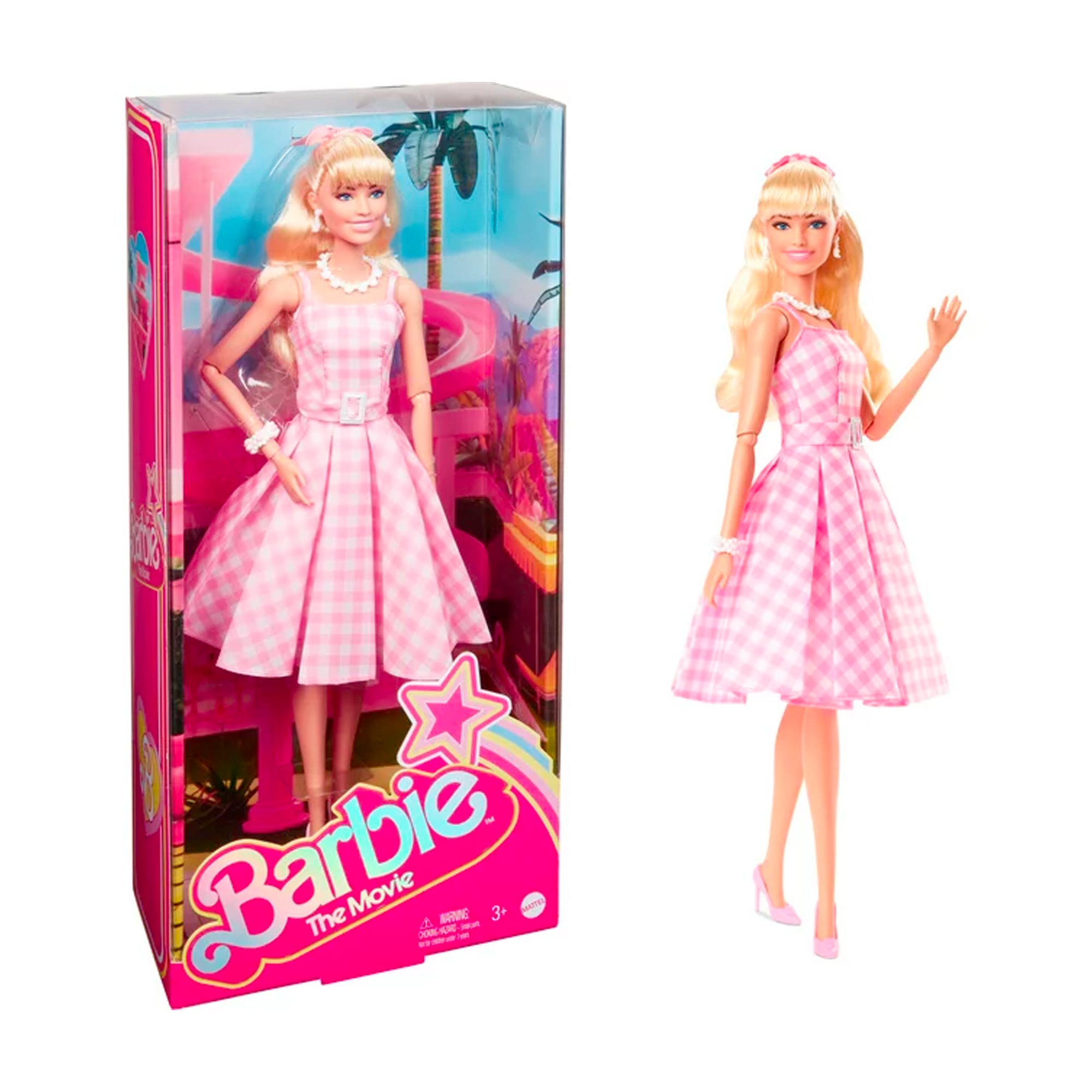
Barbie The Movie Collectible Doll, Margot Robbie as Barbie in Pink Gingham Dress
Original price was: $16.90.$9.63Current price is: $9.63.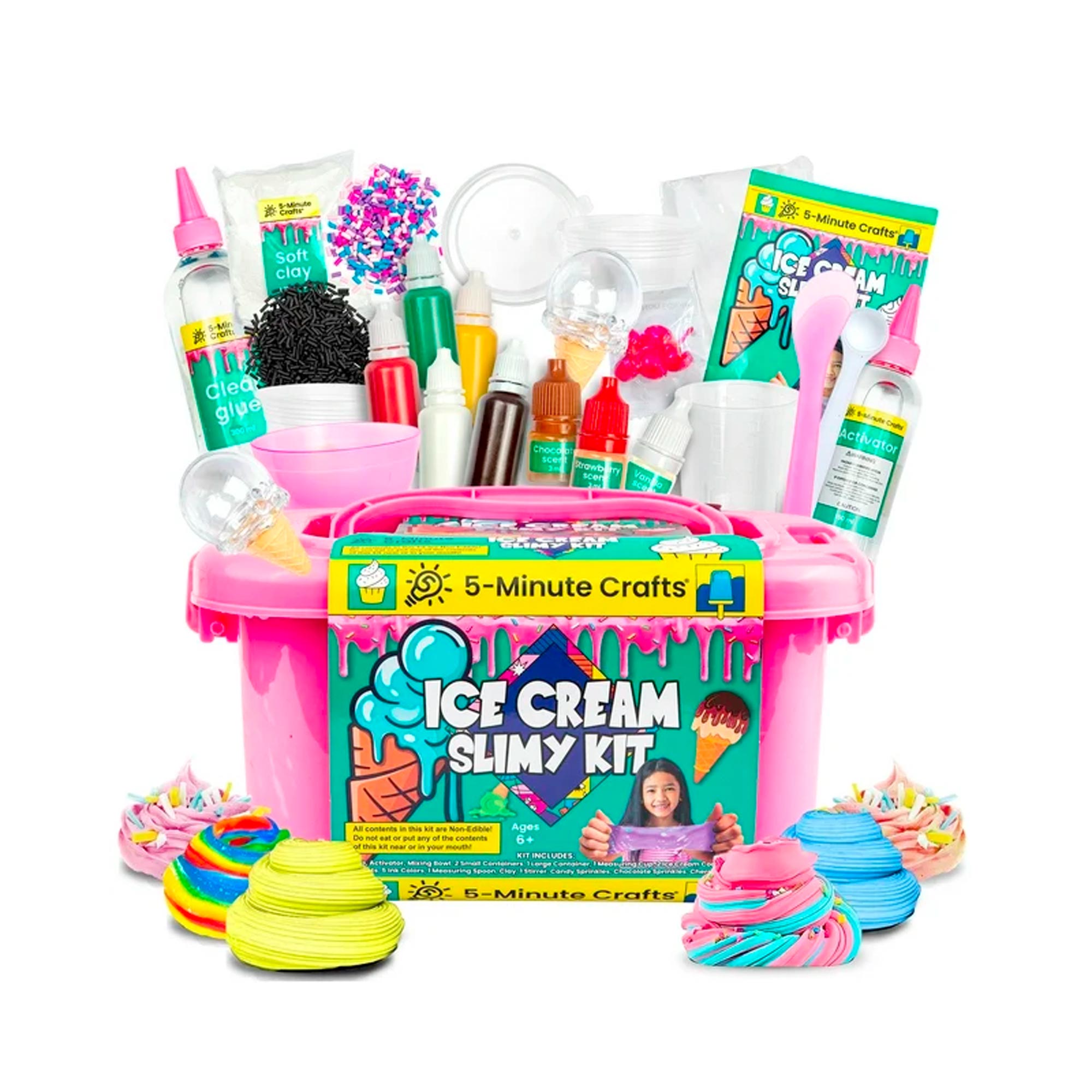
5-Minute Crafts – Slime Ice Cream Kit for Kids Ages 6+ As Seen on Social Media
Original price was: $83.53.$69.19Current price is: $69.19.
Xbox Series X Video Game Console, Black
Original price was: $419.89.$380.89Current price is: $380.89.
Fair Trade Coffee from Cambodia: Certified Producers & Impact
Quick Guide: Source Fair Trade Coffee in 5 Steps
- Identify certified cooperatives: Mondulkiri region has 3-5 Fair Trade International certified cooperatives.
- Request certification documentation: Ask suppliers for FLO (Fairtrade International) or Fair Trade USA certificates. Verify on official database.
- Understand price premium: Fair trade coffee costs 15-25% more than conventional. Verify quality justifies premium.
- Negotiate volume & pricing: Most FT cooperatives require minimum 500kg per order. Get written quotes specifying grade and certification.
- Verify supply chain documentation: Request traceability docs showing farmer names, village, and cooperative.
Introduction
Fair trade certification ensures Cambodian coffee farmers receive minimum prices and premium payments for their crops. Certified producers invest these premiums in community development—schools, healthcare, equipment. Fair trade coffee has expanded rapidly in Cambodia, particularly in Mondulkiri province where specialty arabica grows. Understanding certifications and cooperatives helps conscious brands source ethically while supporting rural development.
Fair Trade Certification Bodies
- Fairtrade International (FLO): Largest fair trade certifier. Certifies farms and cooperatives globally. Ensures minimum farm-gate prices, premium payments, and labor standards. FLO certified = highest recognition internationally. Cost: ~3-5% premium.
- Fair Trade USA: Operates in Americas, Africa, and Asia (limited). Alternative to FLO with similar standards. Some retailers prefer Fair Trade USA certification. Cost: ~2-4% premium.
- Rainforest Alliance: Sustainability focused (environmental + social). Less stringent than FLO on pricing but strong on environmental conservation. Popular with specialty coffee roasters. Cost: ~2-3% premium.
- Other certifications: UTZ (sustainability), 4C (environmental), Bird Friendly (conservation). Complementary to fair trade; some producers hold multiple certifications.
Cambodian Fair Trade Coffee Cooperatives
- Mondulkiri region: Heart of Cambodian fair trade coffee. 4-5 FLO certified cooperatives operate here. Elevation 1,000-1,500m ideal for arabica. Specialty-grade beans command premium prices ($4-6/kg green).
- Ratanakiri province: Growing fair trade coffee area. Younger cooperatives, some seeking FLO certification. Lower established volumes than Mondulkiri.
- Typical cooperative structure: 200-500 farming families collectively. Cooperative handles export licensing, bulk milling, and buyer relationships. Individual farmers more sustainable than corporate plantations.
- Minimum order: Most cooperatives require 500kg minimum (about 5,000 roasted cups worth). Some accept smaller 200kg minimums for premium prices.
Fair Trade Premium & Impact
- Minimum Price: Fairtrade International sets global minimum price (~$1.40/kg for arabica). Cambodian producers typically receive $1.80-2.40/kg (double commodity price).
- Fair Trade Premium: Additional $0.30/kg paid to cooperative. Cooperative decides use: school construction, farmer training, equipment, healthcare. Transparent voting by member farmers.
- Impact in practice: Fair trade premiums have funded 15+ schools in Mondulkiri, trained 200+ farmers in sustainable agriculture, and improved farming incomes 40-60% vs. conventional pricing.
- Farmer benefits: Predictable annual income (price known at harvest). Access to training and credit. Community projects decided by farmers, not external organizations.
- Environmental benefit: Fair trade requires shade-grown coffee, protecting forests. Reduces chemical pesticides through farmer education programs.
Identifying Certified Fair Trade Coffee
- Verify certification online: Fairtrade International maintains searchable directory (fairtrade.net). Search by cooperative name or region. Anyone can search; it’s free verification.
- Request certificates: Legitimate suppliers gladly provide scanned FLO Certificate. Should show organization name, certification number, valid dates, and scope (coffee grade/type).
- Ask about traceability: Can they name the cooperative? The village? Farmer names? More transparency = higher confidence. Buyer visit possible? Yes = sign of legitimate cooperative.
- Sample quality: Fair trade ≠ automatically premium quality. Request samples ($20-50 for 250g). Cup profile should justify price. Not all fair trade coffee is specialty grade.
- Price check: Fair trade coffee costs $2.50-4.50/kg wholesale (green beans). If quoted under $2.00/kg, likely not fair trade certified. If over $5.00/kg, possible specialty premium on top.
Working with Cambodian Fair Trade Cooperatives
- First contact: Email cooperative directly (request contact from Fairtrade International directory). Explain buyer interest. Ask about 2024-2025 harvest availability.
- Sample request: Request 250-500g samples at cost. Evaluate cup quality, flavor, moisture content. Fair trade doesn’t guarantee excellence—quality varies by farmer and processing.
- PO process: Once happy with sample, request formal quotation. Typically: 50% deposit, 50% before shipment. Cooperative handles export documents (phytosanitary certificate, origin certificate).
- Delivery timeline: Harvest Oct-Feb. Orders placed by August-Sept ensure spring delivery. June-August orders pushed to following year. Plan ahead.
- Relationship building: Many brands make annual purchases from same cooperative. Relationship leads to better pricing and priority access to premium micro-lots.
Common Mistakes to Avoid
- Assuming all “ethical” coffee is fair trade certified: Fair trade is third-party verified. Direct-trade or “ethical sourcing” claims lack verification. Always request official certificates.
- Paying premium without tasting: Fair trade certification doesn’t guarantee specialty-grade quality. Always sample first. Some FT coffees are conventional quality at premium prices.
- Ordering in off-season: Cambodia coffee harvests Oct-March. Orders June-Sept delayed 6-12 months. Plan sourcing 6 months ahead.
- Minimum order underestimation: Cooperatives require 500kg minimum. Ensure you can buy or resell this volume. Partial orders cost premium freight.
- Skipping verification: Fake fair trade certificates exist. Always verify on official Fairtrade International website before committing to orders.
Conclusion
Fair trade coffee from Cambodia supports rural farmers while delivering specialty-quality beans. Prices are 15-25% above conventional but justified by ethical production and often superior flavor. Work directly with Fairtrade International certified cooperatives in Mondulkiri for transparency and impact. Request samples, verify certificates, and commit to annual purchasing relationships for best pricing and quality.
About CambodiaB2B: CambodiaB2B.com connects ethical brands with verified fair trade coffee cooperatives in Cambodia. Our supplier profiles show certifications and impact metrics.
Ready to source reliable wholesale products from Cambodia?
Create your FREE buyer account on CambodiaB2B.com today to connect with verified suppliers, submit RFQs, compare quotations, and grow your business with confidence.